Plate proof sheet
The plate is the globe frame, the dial frame, the photograph frame and the product frame — one primitive, four users. SPEC §2: every plate sits in a hard black rebate like a print in a mat.Everything below is the same .plate class.
Over real content — all twelve fixtures
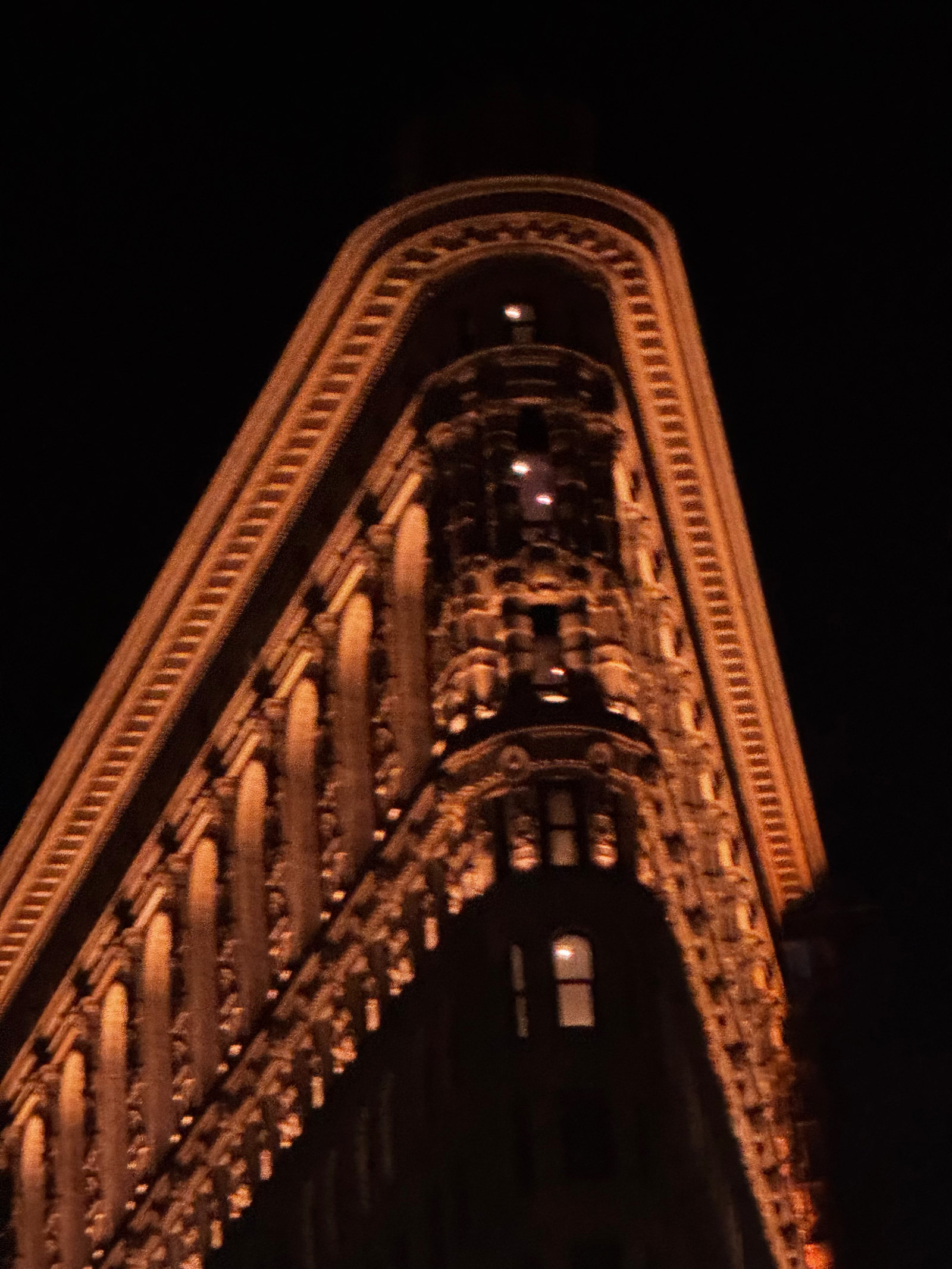
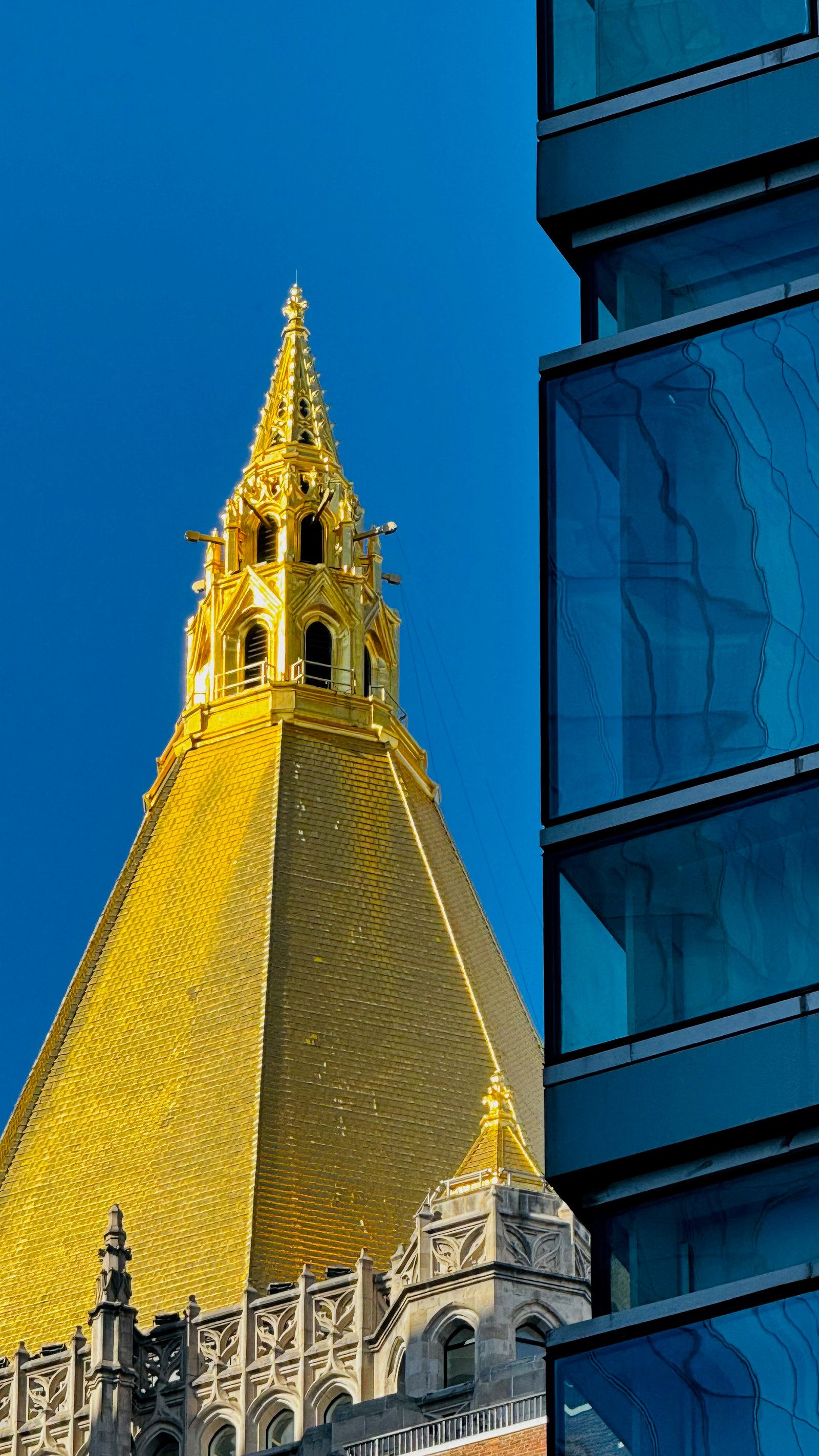
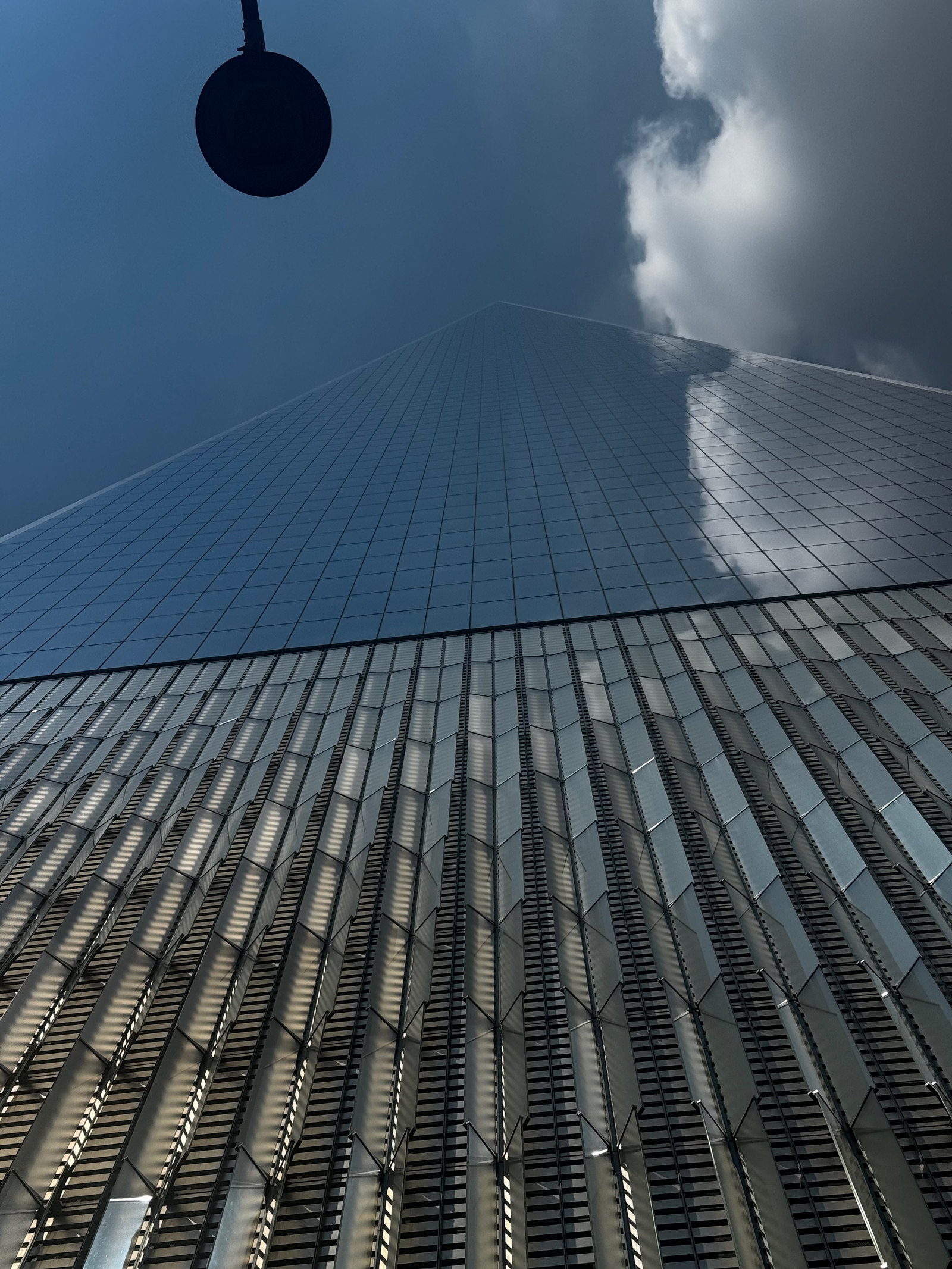
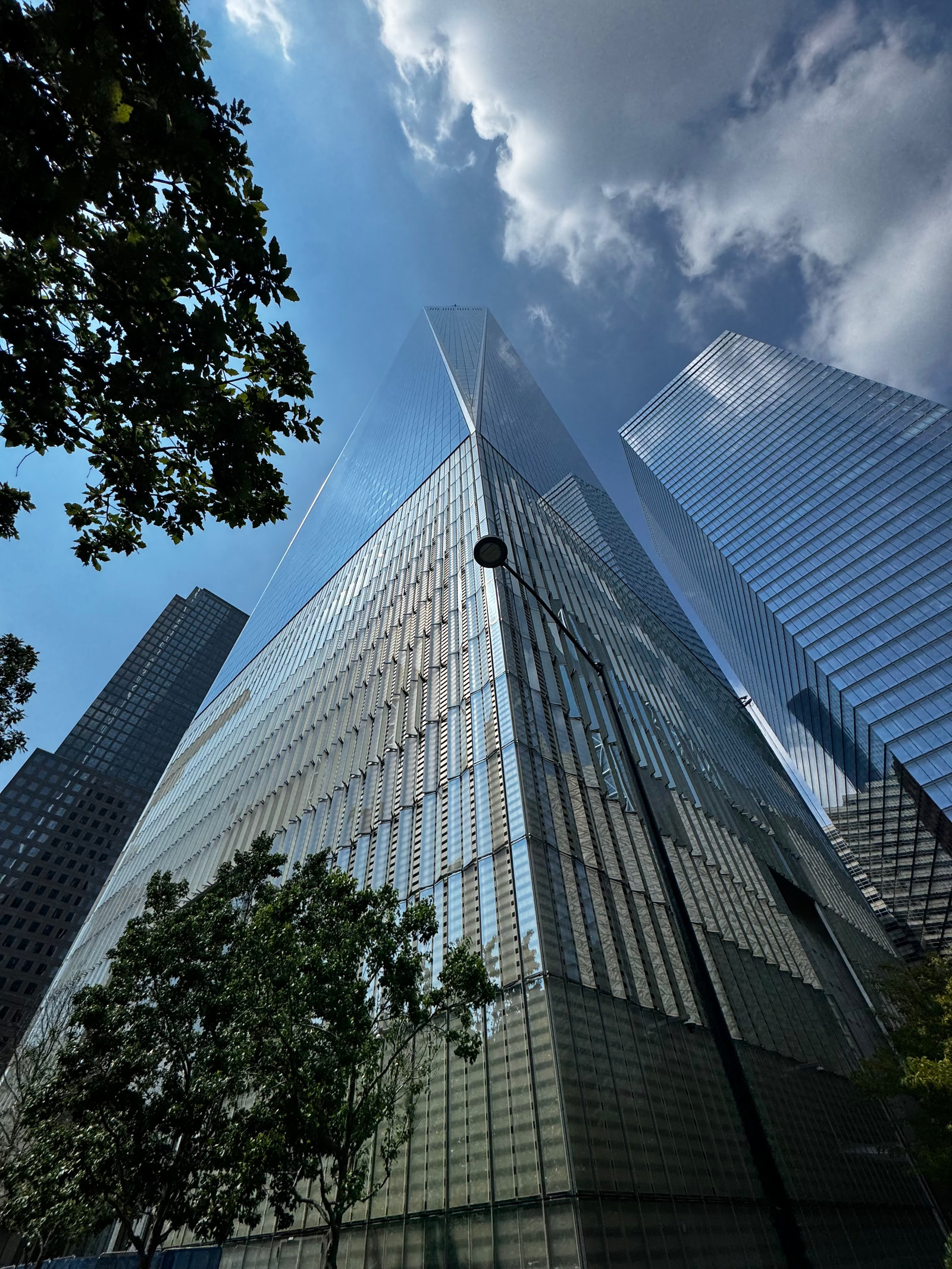
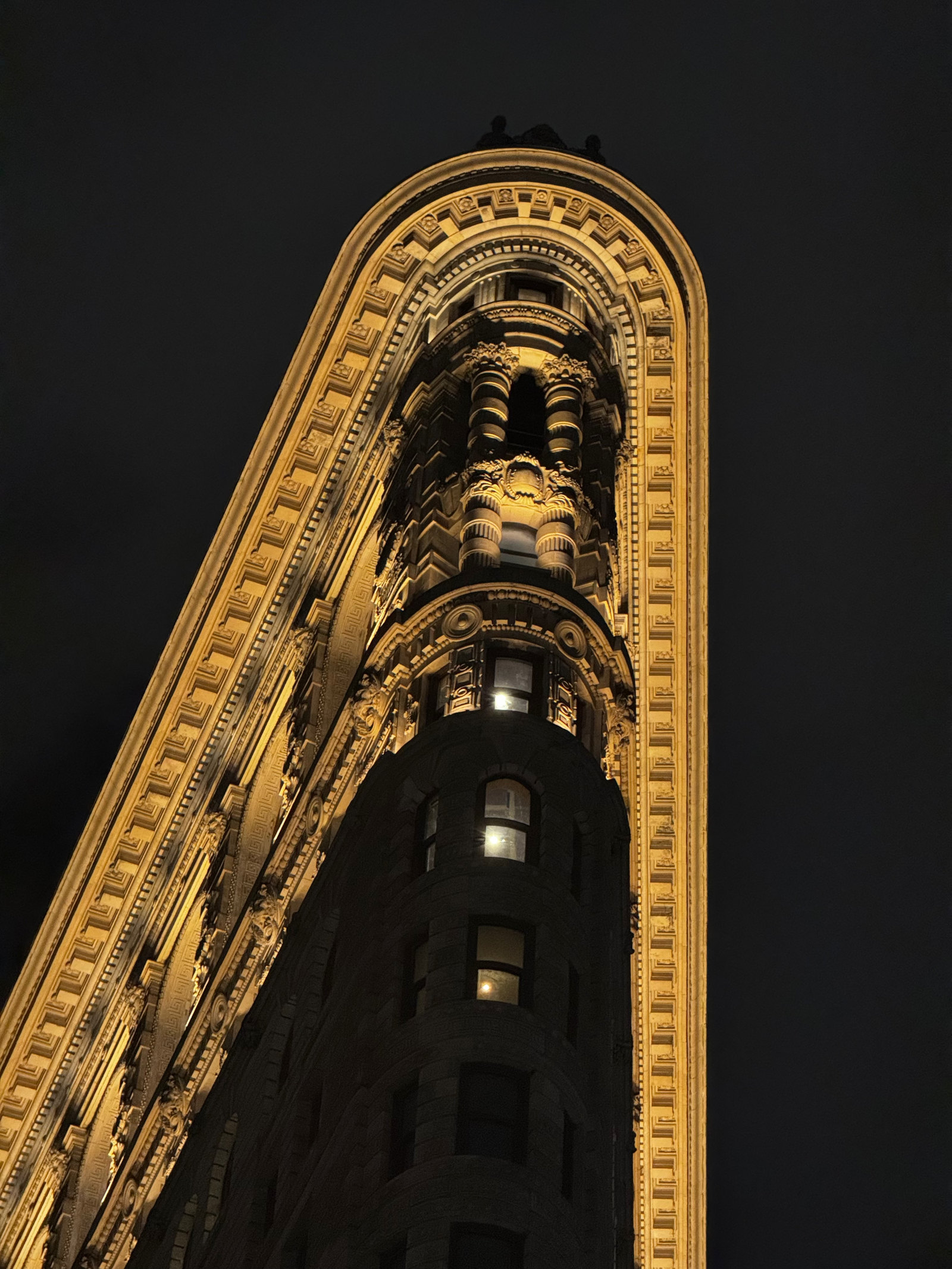
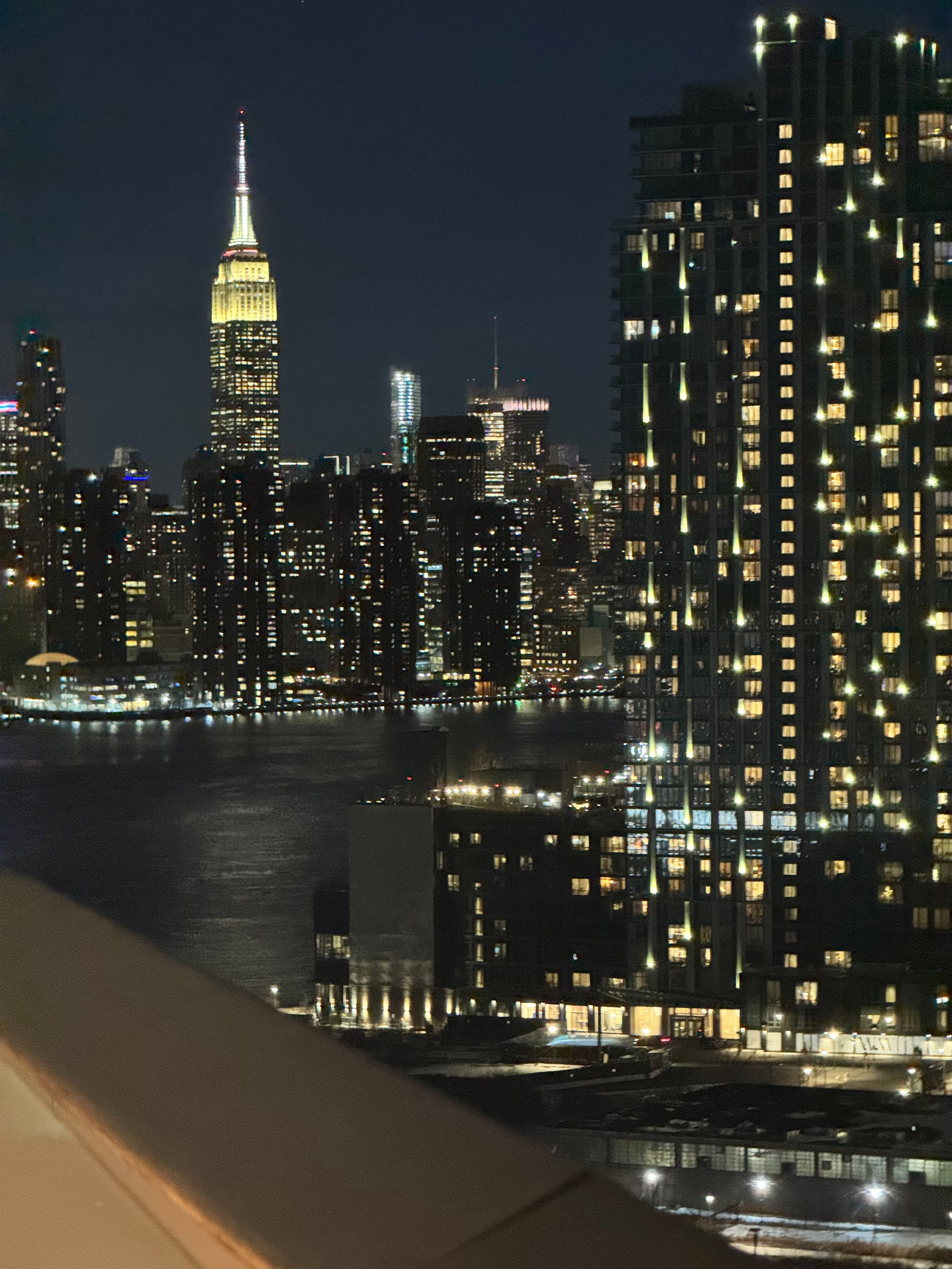
What you are looking at: Darkroom's fixture set, ordered brightest edge first. A mat only works if it reads as a mat against what it actually frames. These run from an edge luminance of 144/255 (top left) down to 0 (bottom right) — a black rebate against a black photograph is the case where the mat has to be carried entirely by the hairline.

Over adversarial grounds — what the fixtures cannot test
What you are looking at: the fixtures top out at 144/255 edge luminance, so none of them contains a blown sky — and a black mat against a blown highlight is the case most likely to fail. These are synthetic and deliberately hostile: paper white, a sky gradient, a blown sun, mid-grey (the worst case for any single-colour edge), and one-pixel noise a mat edge can visually dissolve into.
Rebate widths and variants
Three mat widths for the same reason a framer does not use one width for everything. Each is measured in rendered pixels by npm run plate, which screenshots this page and counts the black rather than trusting the CSS.
Interactive plate — tab to it
A pin's photograph and a product are buttons. The focus ring sits outside the mat so it never eats into the rebate, and the mat warms on hover while the photograph itself does not move — an image that jumps when you point at it is an image you cannot look at.